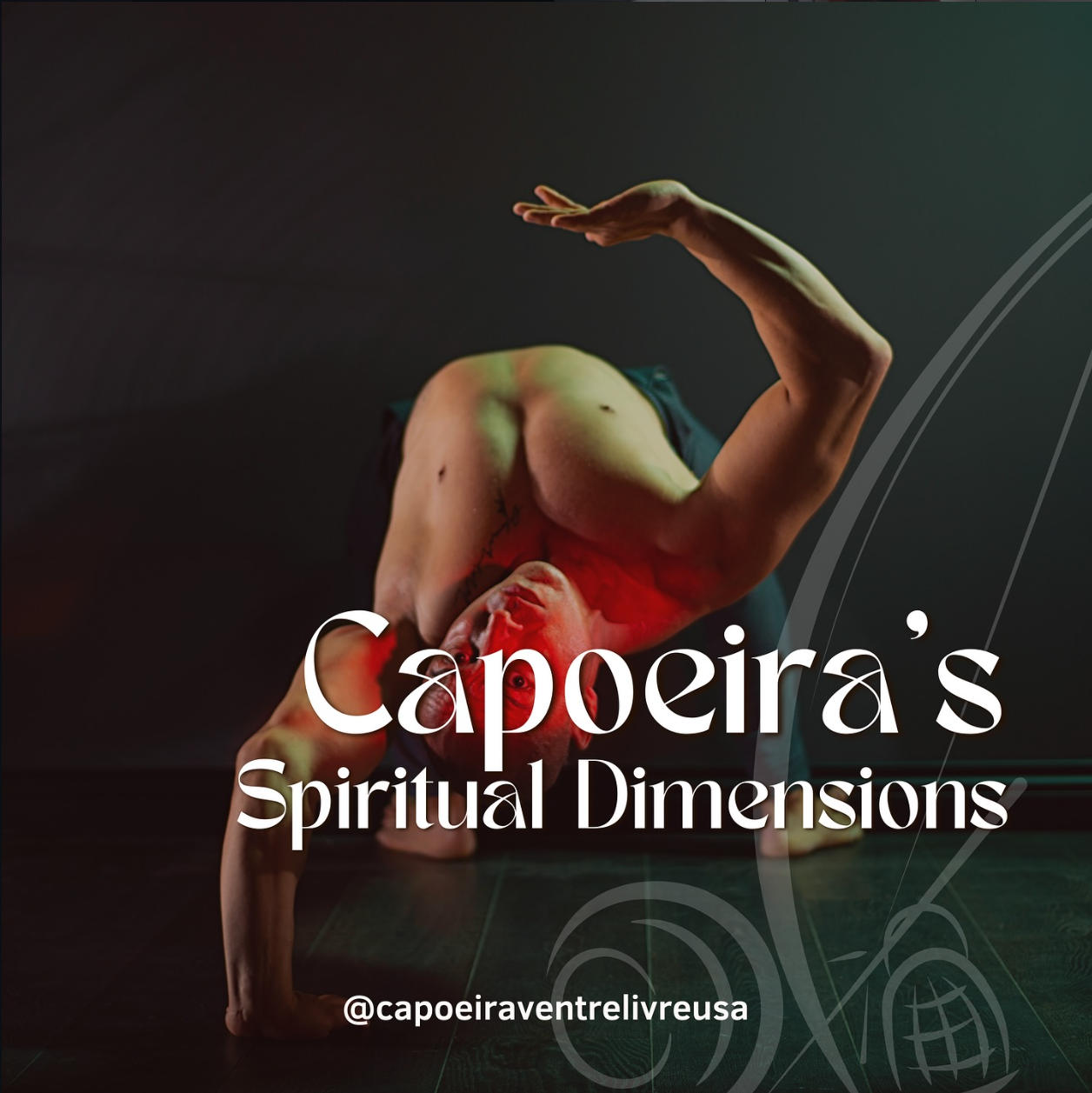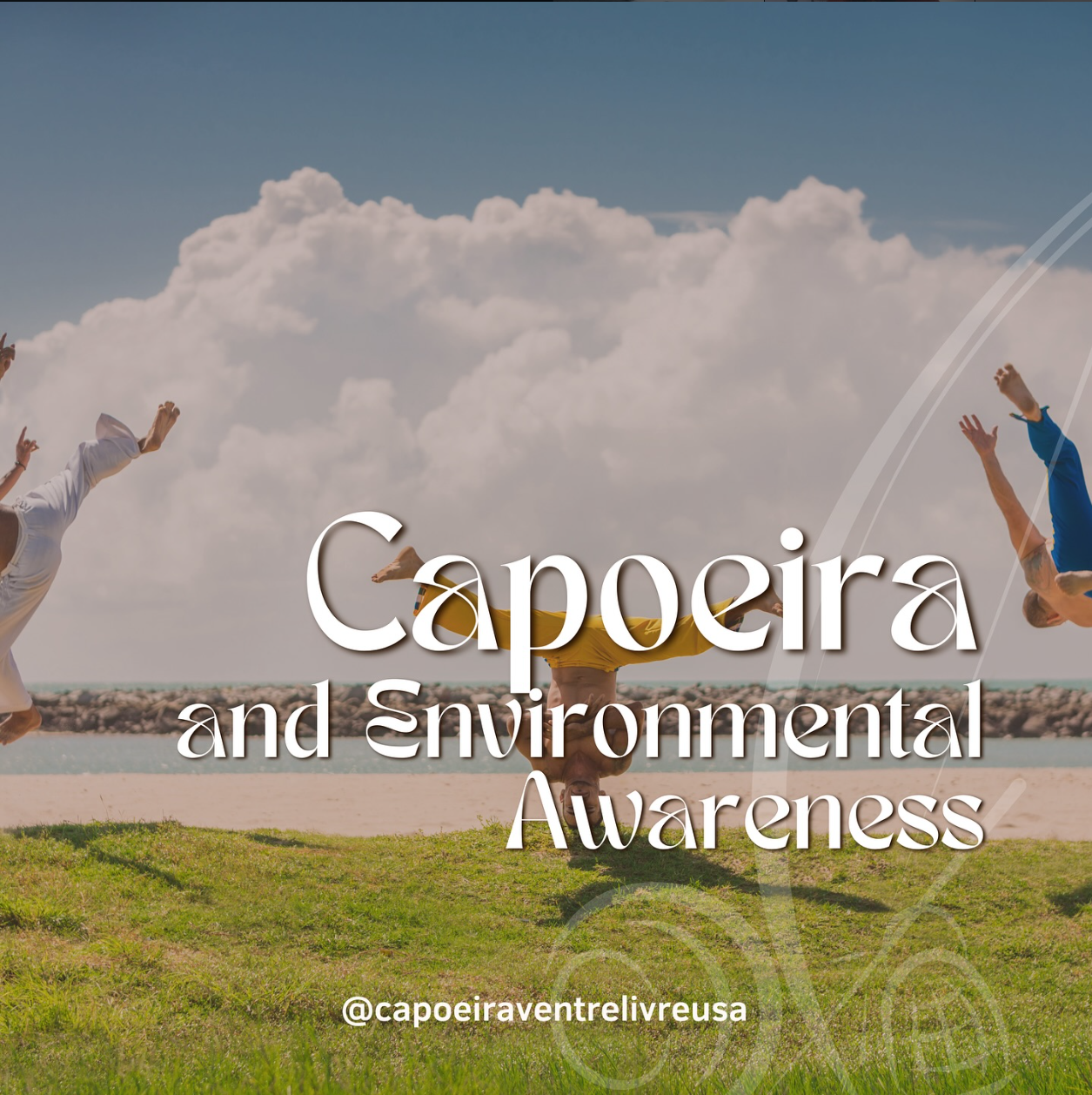
Capoeira's deep connection to nature is evident in its movements, rhythms, and philosophies. Practiced outdoors in parks, beaches, and open spaces, Capoeira encourages a strong bond with the natural world. Many Capoeira groups actively promote sustainability and environmental education.
Born on the Beach
Mestre Betinho grew up in Praia Grande (literally "Big Beach") in São Paulo, Brazil. The beach was where he first learned capoeira, where rodas happened on the sand, where the sound of the berimbau mixed with the sound of the waves.
This coastal origin shapes capoeira culture. The open sky, the natural ground, the freedom of outdoor space — these elements are built into the art's DNA.
Training Outdoors
Capoeira was born outside and thrives outside. Training in parks and open spaces connects practitioners to the natural environment. You feel the uneven ground under your bare feet. You adjust to the sun, the wind, the elements.
ACVL regularly holds outdoor training sessions in Colorado Springs — weather permitting. These sessions are some of the most memorable, capturing something of capoeira's original spirit.
Nature in the Songs
Capoeira songs are full of natural imagery. The sea (o mar) appears constantly — waves, boats, fishermen, the horizon. Birds, animals, and plants populate the lyrics. The songs connect practitioners to a natural world that was central to Brazilian life for centuries.
When students learn these songs, they absorb an environmental consciousness embedded in the tradition.
Instruments from Nature
Capoeira instruments are made from natural materials. The berimbau is a wooden bow with a steel wire and a dried gourd resonator. The atabaque drum is wood and animal skin. The pandeiro tambourine uses wood and natural materials.
Making these instruments teaches respect for natural materials. Many advanced practitioners learn instrument construction, connecting them directly to the raw materials that make capoeira's music possible.
Follow us on Instagram
@capoeiraventrelivreusa